January: the month that sits on the freezing line
NOAA's 1991-2020 normals for Teterboro Airport give January an average of 32.8 degrees. The low drops to 32 or under on 23.6 days of the month, and on 7.7 days the high never climbs above it either. That is a month spent on the border between ice and water.
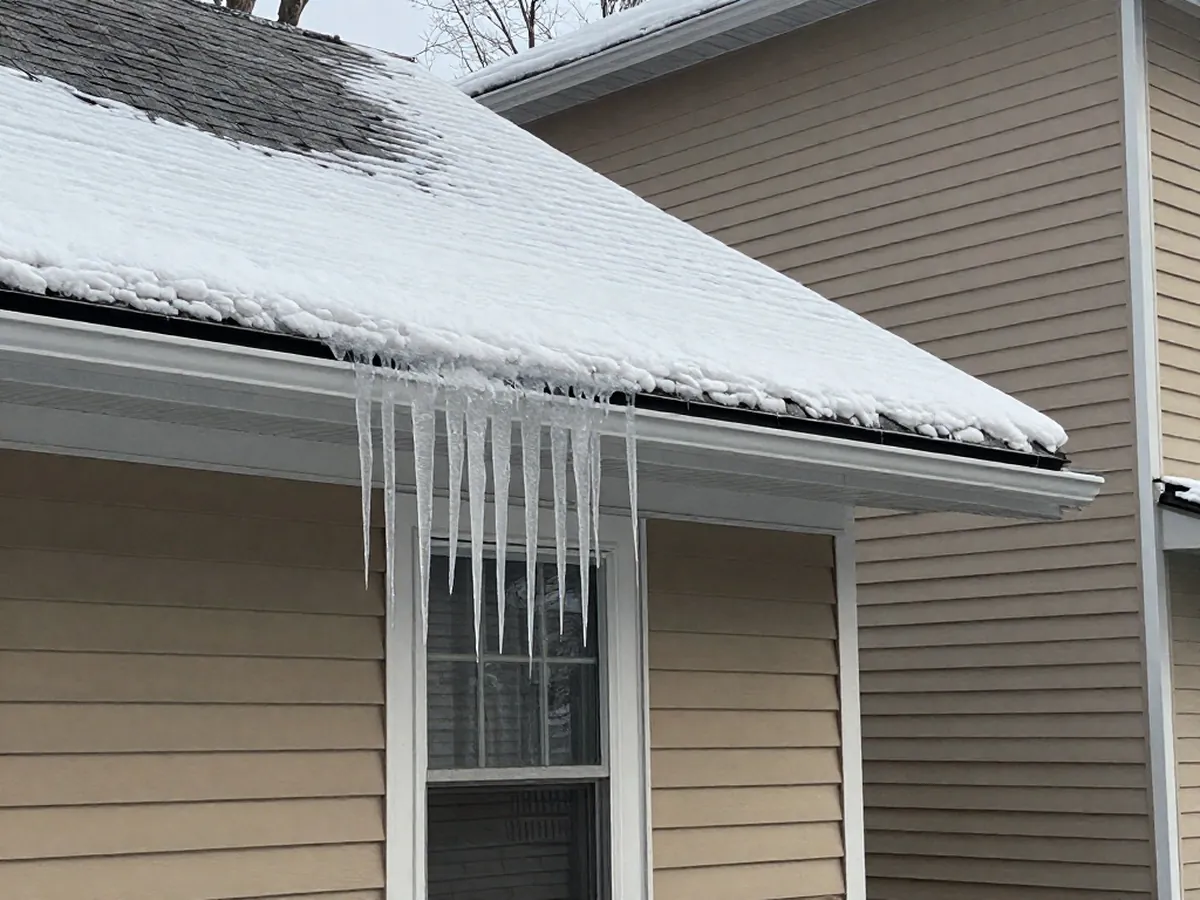
UMass explains why the border matters on a roof: ice dams form when melted snow refreezes at the eave. Heat from the attic does the melting, and the cures the university lists are insulation, air sealing and ventilation. One airport station speaks for many streets, so Wallington's numbers can run a little warmer or colder.
The year in six rows
January
What the normals show
Average 32.8 F; 23.6 days with a low at or below freezing
What it does to a roof
Ice dams form where melt refreezes at the eave
March
What the normals show
14.1 freezing-low days; average 42.3 F
What it does to a roof
Thaw and refreeze; winter water shows up as stains
April
What the normals show
2.0 freezing-low days; 3.97 inches of rain
What it does to a roof
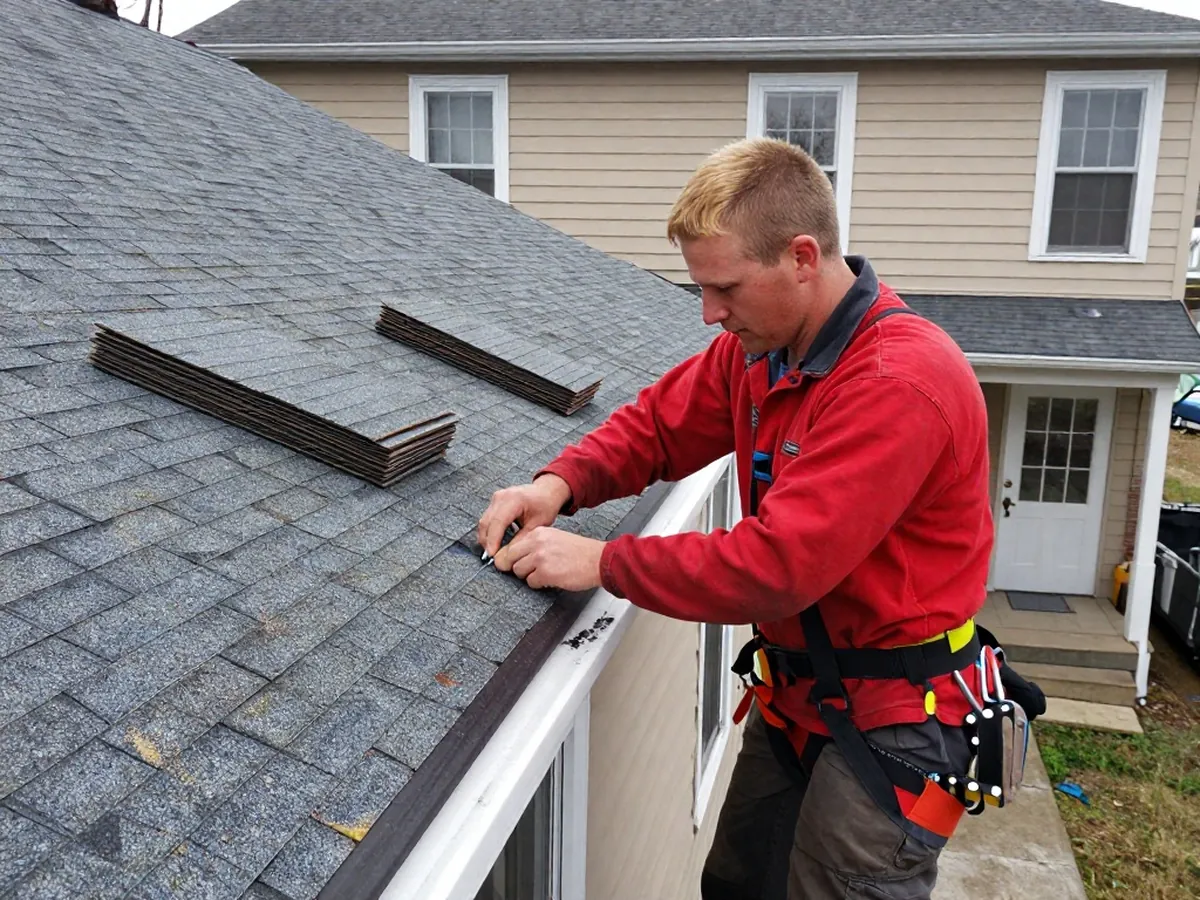
Spring gutter clearing; a calm first look at the roof
July
What the normals show
Average 78.0 F; 11.5 days at 90 F or above; 4.45 inches
What it does to a roof
Heat on flat roofs; downpours test the gutters
September
What the normals show
4.11 inches of rain; Ida's remnants on 1 and 2 Sept 2021
What it does to a roof
Heavy rain tests drains, flashing and lifted edges
December
What the normals show
20.2 freezing-low days; 2.8 days with a high at or below freezing
What it does to a roof
Gutters hold ice; November leaves may still be in them
March: thaw, refreeze and the first stains
March still has 14.1 days with a low at or below freezing and averages 42.3 degrees, so the swing carries on while the snow melts. February is close behind, with 21.1 freezing-low days and 3.7 days when the high never leaves 32.
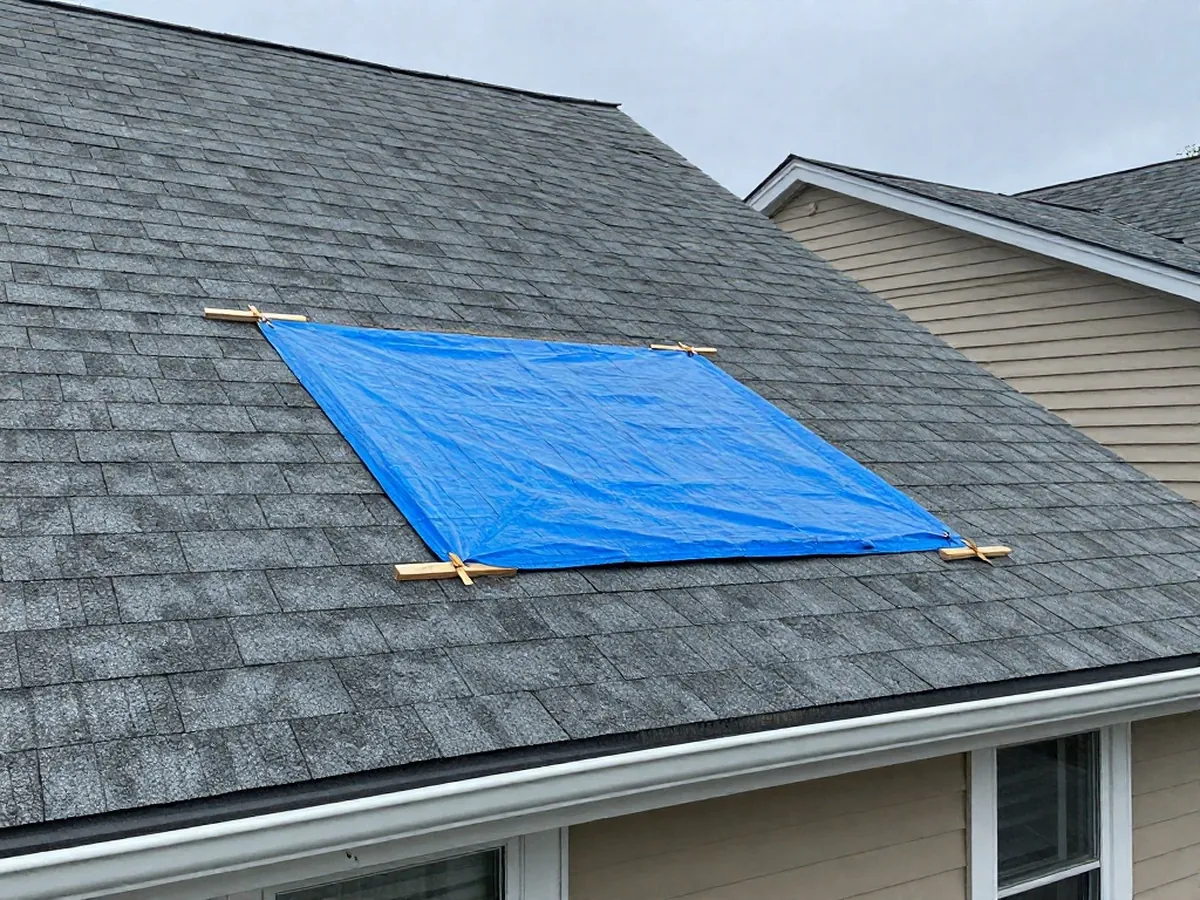
Water that found its way in over the winter can show itself now, as a ceiling stain after the first thaw. A stain outlined in pencil and dated gives a roofer something to compare against.
April and May: the calendar opens up
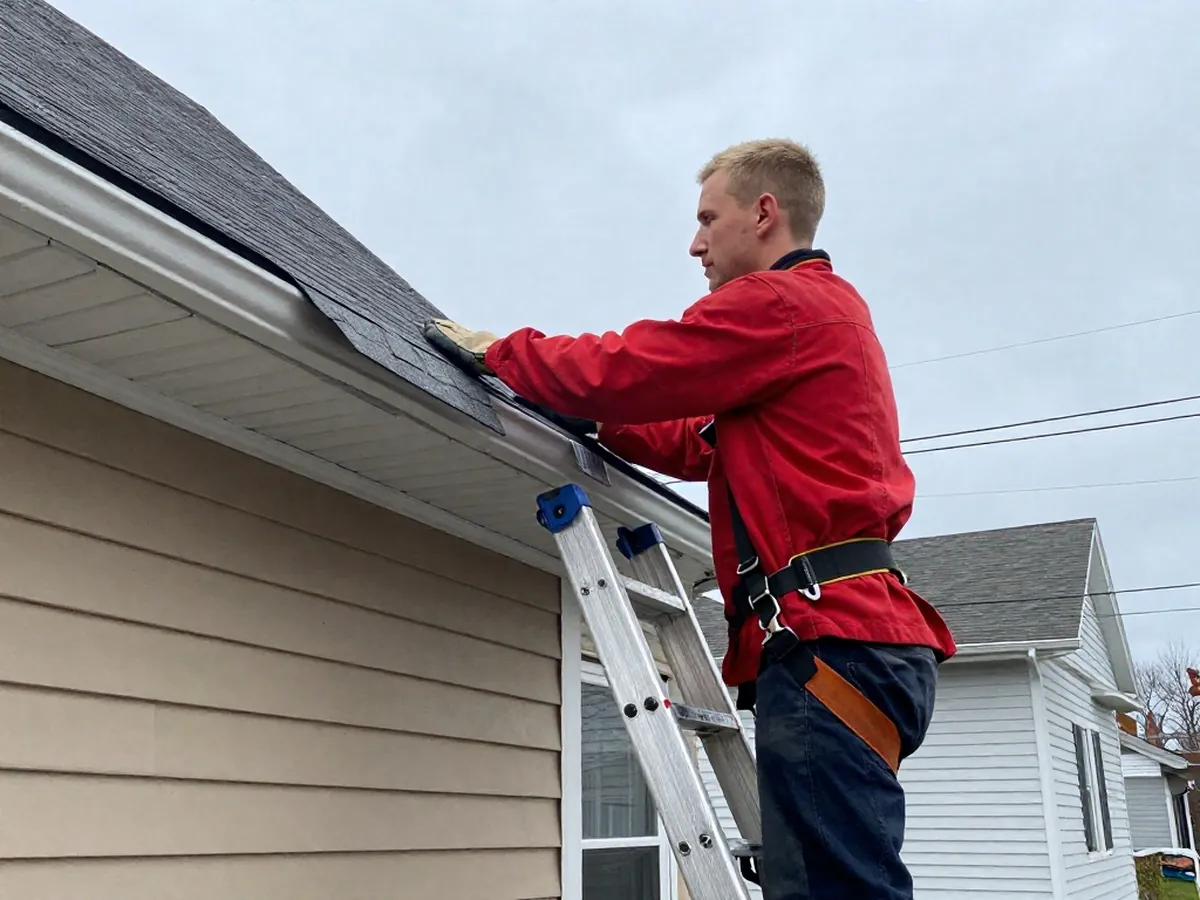
By April only 2.0 days still dip to freezing, and the average has climbed to 53.1 degrees. May averages 63.2. Delaware's environment agency recommends clearing gutters about twice a year, in spring and early fall, and this is the spring half.
The federal General Services Administration says flat roofs get inspected twice a year and after storms. Neither is a Wallington rule, and both make a calendar worth borrowing.
July: the hottest month and the wettest
July averages 78.0 degrees at Teterboro, with an average high of 87.0 and 11.5 days at 90 or above. It is also the rainiest month, at 4.45 inches, just ahead of June and August at 4.25 each.
Two roof features feel that most: a flat roof where water sits, and gutters that meet a downpour. Rutgers's worked example has an 800-square-foot roof taking an inch of rain, with about 500 gallons arriving at one downspout.
September: the tail of the storm season
The NJ Weather and Climate Network logged 8.44 inches at Newark Airport from Ida's leftovers across 1 and 2 September 2021, 3.65 of them in the heaviest hour. North Arlington logged 9.02. The write-up does not mention Wallington, so these are neighbors' numbers. Irene's two river floods in Wallington came in late August 2011, and Bergen County's hazard plan maps 17.58 percent of the borough in the 1 percent floodplain.
The advice after a storm is the same in any month: wires first, from PSE&G or 911; then photographs, a call to the insurer and every receipt kept, per the state's insurance department.
November and December: leaves down, ice on the way
November still has 7.4 days with a low at or below freezing and 3.30 inches of rain. December jumps to 20.2 freezing-low days and 2.8 days when the high stays at or below 32. Leaves come down through this stretch, and Massachusetts's ice-dam guide says to keep gutters clear before winter.
Bulletin 07-3 in New Jersey requires ice-barrier underlayment only where January's average is 25 degrees or lower, and it names Sussex County. With a January average of 32.8, Teterboro sits outside that trigger.
When in the year is a call worth making?
Any month works for a stain, a sag or a shingle in the yard. For a look at an aging roof, the calm stretches of spring and fall suit it; see roof inspection. Winter trouble has its own job: ice dam damage.
Call (973) 791-8220 and name the month you first saw the problem.